
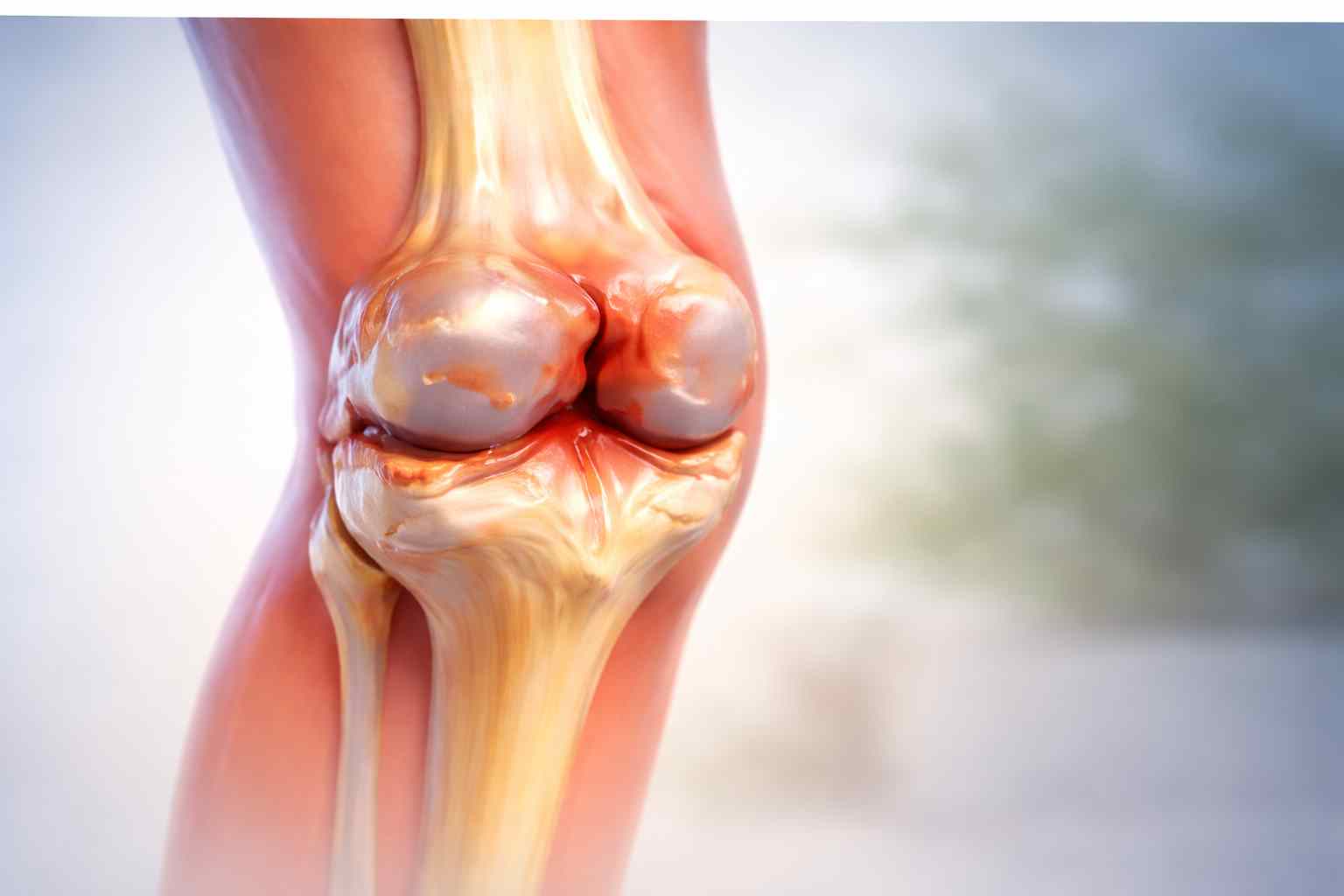
Knee discomfort is easy to dismiss. Many people assume it’s just fatigue, aging, or temporary strain. But when knee pain becomes frequent, it may be an early sign of knee osteoarthritis, a condition where the protective cartilage in the joint gradually wears down.
The good news? Osteoarthritis develops slowly, and the body gives early warning signals. Recognizing these signs and consulting a one of Knee Osteoarthritis doctor in Lucknow early can help manage the condition before it affects daily life.
Understanding Knee Osteoarthritis
Your knee joint is cushioned by cartilage that allows smooth, pain-free movement. In osteoarthritis, this cartilage breaks down over time. As protection decreases, bones rub against each other, causing pain, stiffness, and inflammation.
While it’s more common with aging, younger people can also develop it due to injury, excess weight, or joint overuse.
Early Symptoms Most People Overlook
1. Mild Pain After Activity
One of the first signs is discomfort after walking long distances, climbing stairs, or standing for extended periods. The pain often improves with rest, which is why many people ignore it.
If this pattern repeats, it’s wise to seek advice from an Osteoarthritis doctor Lucknow before the joint damage progresses.
2. Morning or Resting Stiffness
Do your knees feel tight when you wake up or after sitting for a while? Early osteoarthritis commonly causes stiffness that eases within 15–30 minutes of movement. This happens because joints need motion to stay lubricated.
3. Cracking or Grinding Sensation
Hearing or feeling a grinding or crackling sound when bending the knee can indicate that the smooth cartilage surface is becoming rough. Occasional popping without pain may be harmless, but persistent sounds with discomfort should be checked by a specialist.
4. Swelling Around the Knee
Mild swelling that appears after activity is often due to inflammation inside the joint. It may come and go, making it easy to ignore. However, recurring swelling is a signal that the knee is under stress.
5. Reduced Flexibility
You may notice difficulty fully bending or straightening the knee. Activities like squatting, sitting cross-legged, or getting up from the floor may feel uncomfortable. This reduced range of motion is an early structural change in the joint.
6. Pain While Climbing Stairs
Stair climbing puts extra pressure on the knee. Pain in the front or inside of the knee during this activity is a common early complaint. Seeking care from one of best Osteoarthritis Treatment Doctors In Lucknow at this stage can help prevent worsening damage.
7. Feeling of Weakness or Instability
Some people feel like their knee might “give way.” This occurs because the joint becomes less stable and surrounding muscles may weaken. Early strengthening exercises, guided by a Knee Osteoarthritis doctor in Lucknow, can help restore stability.
Why Early Attention Matters
Osteoarthritis is progressive. Ignoring early signs can lead to:
-
Persistent pain
-
Limited mobility
-
Difficulty with daily activities
-
Increased risk of advanced treatments or surgery
Early management focuses on lifestyle changes, weight control, physical therapy, and joint-supportive treatments. Consulting an experienced Osteoarthritis doctor Lucknow allows a personalized plan that slows progression and improves comfort.
Who Should Be More Careful?
You may have a higher risk if you:
-
Are above 40
-
Are overweight
-
Had a previous knee injury
-
Have a family history of arthritis
-
Have a job involving long standing or heavy knee use
Being aware of symptoms is especially important if these risk factors apply to you.
When to Consult a Specialist
Consider visiting a knee specialist if:
-
Pain lasts more than a few weeks
-
Swelling occurs repeatedly
-
Stiffness affects your routine
-
Movement becomes limited
-
Pain increases during walking or stair use
An early consultation with one of best Osteoarthritis Treatment Doctors In Lucknow can help protect your joint health and maintain your active lifestyle.