Injuries can occur anytime — during sports, at work, while walking, or even at home. A simple twist, fall, or sudden movement can cause pain, swelling, and difficulty using a joint or muscle. Knowing what to do immediately after an injury can make a major difference in recovery. One of the most recommended first-aid techniques by orthopaedic experts is R.I.C.E. Therapy.
Many people start searching online for an “Orthopaedic Surgeon Near Me in Lucknow” right after an injury. But before reaching a hospital, proper first aid using R.I.C.E. can help control damage and improve healing outcomes.
What is R.I.C.E. Therapy?
R.I.C.E. stands for:
R – Rest
I – Ice
C – Compression
E – Elevation
It is a first-line treatment used within the first 24 to 48 hours after a soft tissue injury. It helps reduce pain, swelling, and inflammation while protecting the injured area from further harm.
When Should You Use R.I.C.E.?
R.I.C.E. therapy is ideal for:
-
Ankle sprains
-
Knee ligament injuries
-
Muscle strains or pulls
-
Wrist or elbow twists
-
Minor sports injuries
-
Joint swelling after a fall
If you experience these problems, applying R.I.C.E. early can prevent complications before consulting the one of best orthopaedic surgeon in Lucknow.
Step-by-Step Guide to R.I.C.E. Therapy
1. Rest
Stop using the injured part immediately. Continued movement can worsen tissue damage. Avoid walking on a sprained ankle or lifting objects with an injured wrist. Rest allows tissues to start healing.
2. Ice
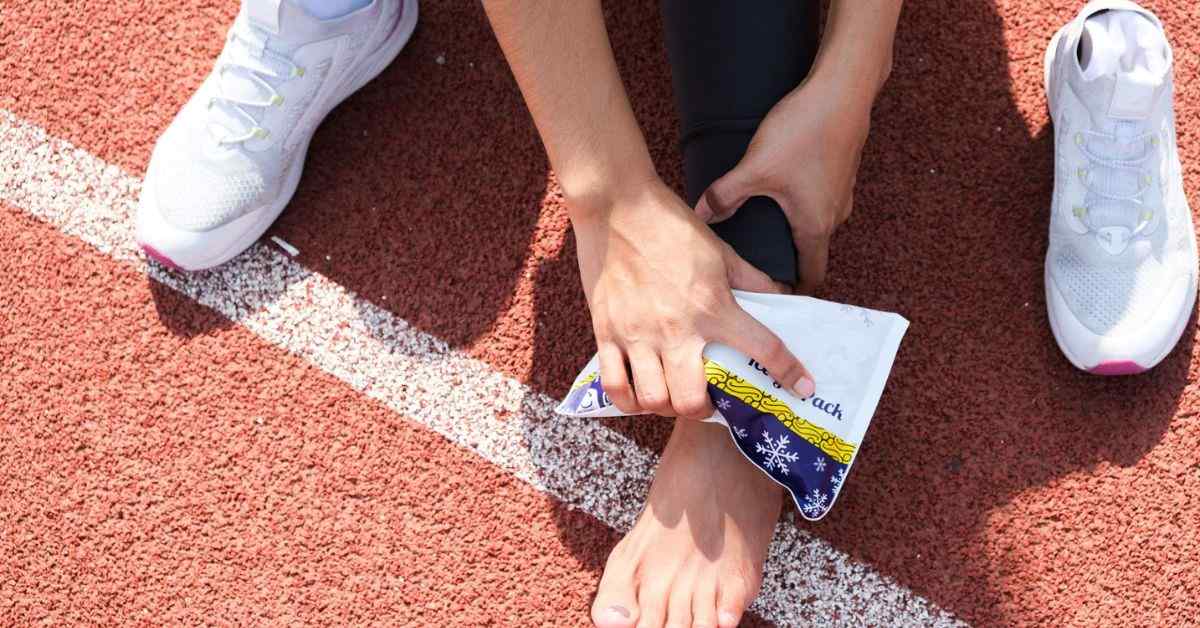
Apply an ice pack wrapped in cloth to the injured area for 15–20 minutes every 2–3 hours. Ice helps:
-
Reduce swelling
-
Control internal bleeding
-
Numb pain
Never place ice directly on skin to avoid frost injury.
3. Compression
Wrap the injured area with an elastic bandage to provide gentle pressure. Compression:
-
Limits swelling
-
Supports injured tissues
-
Reduces fluid buildup
Ensure the bandage isn’t too tight. If you feel tingling or numbness, loosen it.
4. Elevation
Keep the injured limb elevated above heart level. For example, place your leg on pillows when lying down. Elevation helps reduce swelling by improving blood flow away from the injury.
Benefits of R.I.C.E. Therapy
R.I.C.E. therapy offers multiple benefits:
-
Controls early inflammation
-
Reduces pain naturally
-
Speeds up initial recovery
-
Minimizes bruising
-
Prevents further tissue damage
This method is often advised by doctors when patients later visit an Orthopaedic Surgeon Near Me in Lucknow for further evaluation.
How Long Should R.I.C.E. Be Used?
R.I.C.E. is most effective during the first 24–48 hours after injury. After that, a medical professional may recommend physiotherapy, medications, or advanced imaging if needed. Persistent symptoms should not be ignored.
When R.I.C.E. Is Not Enough
R.I.C.E. works well for minor injuries, but seek medical help if you notice:
-
Severe or increasing pain
-
Inability to bear weight
-
Visible deformity
-
Numbness
-
Suspected fracture
-
Swelling that does not reduce
-
No improvement after two days
In such cases, immediate consultation with the best orthopaedic surgeon in Lucknow is necessary.
Importance of Early Orthopaedic Consultation
Ignoring an injury can lead to chronic pain, joint instability, and long-term damage. Proper diagnosis using X-rays or MRI ensures the right treatment. Many people search for an Orthopaedic Surgeon in Lucknow because early specialist care prevents complications and speeds recovery.
R.I.C.E. therapy is a simple yet powerful first-aid method everyone should know. Whether the injury happens on the field or at home, Rest, Ice, Compression, and Elevation can significantly reduce damage in the early stages.
However, first aid is only the beginning. If pain, swelling, or mobility issues persist, professional medical care is essential. Early treatment ensures complete healing and helps you return to daily life safely and confidently.