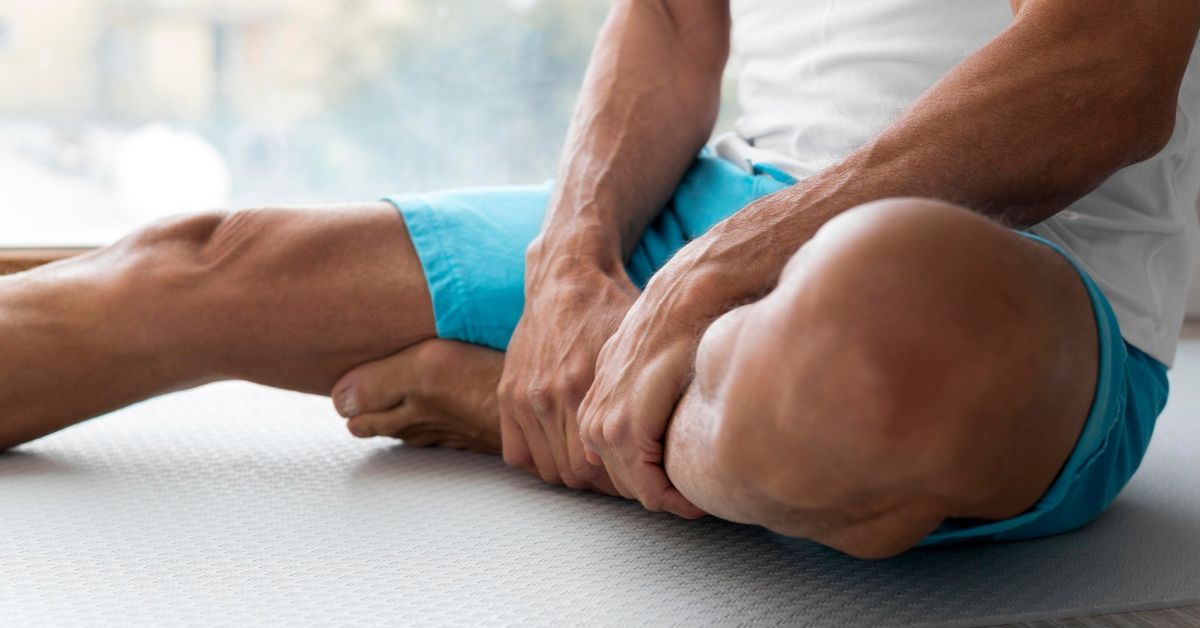
Knee pain can make everyday activities such as walking, climbing stairs, standing up from a chair, and sitting down uncomfortable. It may develop due to osteoarthritis, muscle weakness, overuse, an injury or other knee joint conditions.
The best exercises for knee pain relief are those that improve muscle strength, maintain joint movement and support everyday mobility without aggravating symptoms. Gentle exercises such as quadriceps contractions, straight leg raises, heel slides and controlled sit-to-stand movements may help some people, depending on the cause and severity of their knee pain.
However, not every exercise is suitable for every person. People with severe knee pain, significant swelling, a recent injury or advanced joint damage should seek medical guidance before beginning an exercise routine.
What Are the Best Exercises for Knee Pain Relief?
Eight exercises that may help improve knee strength, flexibility, and mobility include:
- Quadriceps sets
- Straight leg raises
- Heel slides
- Seated knee extensions
- Hamstring stretches
- Calf stretches
- Sit-to-stand exercises
- Gentle walking or stationary cycling
The appropriate exercises, repetitions and progression depend on your symptoms, physical ability and underlying knee condition.
1. Quadriceps Sets
How does this exercise help knee pain?
Quadriceps sets activate the muscles at the front of the thigh. These muscles help support knee movement and are important for standing, walking, and climbing stairs.
How to perform it:
- Lie on your back or sit with your leg comfortably extended.
- Tighten the muscles at the front of your thigh.
- Gently press the back of your knee toward the bed or floor without forcing it.
- Hold the contraction for about 5 seconds.
- Relax and repeat 8–10 times, if comfortable.
Who may benefit? People who need gentle quadriceps activation, including some individuals experiencing knee stiffness or reduced activity after an injury or procedure, when cleared by their treating professional.
2. Straight Leg Raises
How does a straight leg raise help strengthen the knee?
A straight leg raise strengthens the quadriceps and hip muscles while keeping the knee relatively straight during the movement.
How to perform it:
- Lie on your back with one knee bent and the other leg straight.
- Tighten the thigh muscles of the straight leg.
- Slowly lift the straight leg approximately 20–30 centimetres, or only as high as comfortable.
- Hold briefly, then lower it slowly.
- Begin with 5–10 repetitions if the movement is comfortable.
Important: Avoid this exercise if lifting the leg causes significant pain or if you have been advised to restrict movement following an injury or surgery.
3. Heel Slides
How do heel slides help knee stiffness?
Heel slides gently move the knee through a comfortable range of motion. They may help maintain flexibility and reduce stiffness associated with inactivity.
How to perform it:
- Lie on your back with both legs extended.
- Slowly slide one heel toward your body, bending the knee.
- Stop before you experience significant discomfort.
- Slide the heel back to the starting position.
- Repeat 8–10 times, if comfortable.
Do not force the knee to bend fully. The goal is controlled movement rather than achieving a particular angle.
4. Seated Knee Extensions
Are seated knee extensions useful for knee pain?
Seated knee extensions help activate the quadriceps, which support the knee during standing and walking.
How to perform it:
- Sit upright on a stable chair with your feet on the floor.
- Slowly straighten one knee as far as comfortable.
- Pause briefly without locking the knee forcefully.
- Lower the foot slowly.
- Repeat 8–10 times on each side, as tolerated.
If this movement increases knee pain or swelling, reduce the range of motion or stop and seek professional advice.
5. Hamstring Stretches
Can stretching help knee pain?
Tight hamstrings may limit comfortable movement around the knee. Gentle stretching can help maintain flexibility, although it does not treat every cause of knee pain.
How to perform it:
- Sit near the front of a stable chair.
- Extend one leg forward with the heel resting on the floor.
- Keep your back relatively straight and gently lean forward from the hips.
- Stop when you feel a mild stretch at the back of your thigh.
- Hold for 15–20 seconds without bouncing.
Avoid stretching into sharp pain, numbness or tingling.
6. Calf Stretches
How can calf stretching support knee mobility?
Calf muscles contribute to ankle movement and walking mechanics. Maintaining calf flexibility may make everyday movement more comfortable for some people.
How to perform it:
- Stand facing a wall and place both hands against it.
- Move one leg behind you while keeping the heel on the floor.
- Gently bend the front knee and lean toward the wall.
- Keep the back leg comfortable and relatively straight.
- Hold for 15–20 seconds, then change sides.
Use a stable support and avoid this exercise if standing is unsafe or painful.
7. Sit-to-Stand Exercises
Can sitting and standing exercises strengthen the knees?
Controlled sit-to-stand movements work the thigh and hip muscles needed for everyday activities. They can help build functional strength when performed at an appropriate level.
How to perform it:
- Sit on a stable chair with your feet flat on the floor.
- Position your feet approximately hip-width apart.
- Lean forward slightly and push through your feet to stand.
- Slowly sit back down with control.
- Start with 5 repetitions if comfortable.
Use a chair with armrests if needed. If standing causes significant pain, instability or buckling, do not continue without professional guidance.
8. Gentle Walking or Stationary Cycling
Is walking or cycling good for knee pain?
Low-impact activities may help maintain mobility, build exercise tolerance, and support general health. Stationary cycling with an appropriately adjusted seat can be an alternative when walking is uncomfortable.
How to begin:
- Start with a short period of gentle activity.
- Choose a level surface for walking.
- Keep cycling resistance low initially.
- Increase duration gradually if symptoms remain stable.
- Stop if pain becomes sharp, your knee feels unstable, or swelling increases.
People with severe arthritis, significant balance problems, or recent knee injuries may need a tailored rehabilitation plan before starting these activities.
Which Knee Exercises Are Best for Arthritis?
For people with knee osteoarthritis, strengthening and appropriate physical activity can help improve pain and physical function. Common options include quadriceps exercises, straight leg raises, gentle range-of-motion exercises, and suitable low-impact activities.
The best routine depends on the extent of joint damage, muscle strength, balance, pain levels, and other medical conditions. Exercise may improve symptoms, but it does not reverse advanced cartilage damage or guarantee that surgery can be avoided.
A physiotherapist or orthopedic specialist can help select appropriate exercises and adjust them as symptoms change.
What Should You Avoid When Exercising With Knee Pain?
If you have knee pain, avoid forcing movements through sharp pain or suddenly increasing exercise intensity.
Depending on your condition, you may need to modify or temporarily avoid:
- Deep squats that cause pain.
- Jumping or high-impact activities that aggravate symptoms.
- Sudden twisting or pivoting movements.
- Heavy resistance exercises that increase pain.
- Exercises that cause increasing swelling or knee instability.
These activities are not necessarily unsuitable for everyone. Their safety depends on the underlying condition and the person’s ability to perform them correctly.
When Should You See an Orthopedic Doctor for Knee Pain?
Seek an orthopedic assessment if knee pain persists, repeatedly returns, limits walking or interferes with daily activities despite appropriate self-care.
Seek urgent medical attention if your knee pain is accompanied by:
- A hot, red, and markedly swollen knee, particularly with fever.
- Inability to bear weight after an injury.
- A visibly deformed knee following trauma.
- Severe pain or rapidly increasing swelling.
- A locked knee that cannot be moved normally.
These symptoms may indicate a condition that requires prompt evaluation.
An orthopedic assessment may include a review of your symptoms, physical examination and imaging when indicated. Treatment may involve exercise therapy, activity modification, medication prescribed by a clinician or other options based on the diagnosis.
Can Knee Exercises Prevent Knee Replacement Surgery?
Knee exercises can improve muscle strength, mobility, and physical function in many people with knee pain. For some patients with osteoarthritis, exercise and other nonsurgical treatments may help manage symptoms.
However, exercises cannot guarantee that knee replacement surgery will be avoided. When joint damage is advanced and pain or disability remains substantial despite appropriate nonsurgical treatment, an orthopedic specialist may discuss whether knee replacement is an appropriate option.
The decision should be based on the patient’s symptoms, examination findings, imaging results, treatment history and personal goals.
Frequently Asked Questions
1. What is the best exercise for knee pain relief?
There is no single best exercise for everyone. Quadriceps sets, straight leg raises and heel slides are common gentle options. The most appropriate exercise depends on the cause of knee pain and your ability to perform the movement comfortably.
2. Should I exercise when my knee hurts?
Gentle movement may be appropriate for some types of knee pain, but you should not push through sharp or worsening pain. Stop if symptoms increase, and seek medical advice if pain is severe, persistent or associated with swelling or instability.
3. Are knee exercises good for older adults?
Appropriately selected exercises can help older adults maintain strength, balance and mobility. Exercises should be adapted to the person’s health, joint condition and fall risk.
4. Can walking reduce knee pain?
Walking may help maintain mobility and physical activity in some people. Begin with a comfortable duration and pace. If walking increases pain or swelling, reduce the activity and seek advice about suitable alternatives.
5. How many times should I do knee exercises?
The frequency and number of repetitions depend on the exercise, symptoms and individual rehabilitation plan. Beginners should start gently and increase activity gradually, preferably with guidance when knee pain is persistent.
6. Can knee exercises cure arthritis?
No. Exercise does not cure osteoarthritis or restore severely damaged cartilage. However, an appropriate exercise programme can help improve strength, mobility and symptom management.
7. When should I stop knee exercises?
Stop an exercise if it causes sharp pain, a feeling that the knee is giving way, new swelling or a substantial increase in symptoms. Seek medical advice if symptoms persist or worsen.
8. When should I consult an orthopedic specialist for knee pain in Lucknow?
Consider an orthopedic assessment if knee pain persists, limits daily activities, or does not improve with appropriate self-care. Sudden severe pain, inability to bear weight, or a hot, swollen knee with fever requires urgent evaluation.
Conclusion
The right exercises can help improve knee strength, flexibility, and mobility, but the most suitable routine depends on the cause of the pain. Quadriceps sets, straight leg raises, heel slides, gentle stretching and appropriate low-impact activities may be useful starting points for some people.
If knee pain persists, worsens or interferes with walking and daily activities, an assessment by an orthopedic professional can help identify the cause and guide treatment. Patients should seek individualized advice rather than relying on exercises alone for severe or unexplained symptoms.
Dr. Sandeep Kapoor is a senior orthopedic and joint replacement surgeon in Lucknow with over 40 years of experience, specializing in robotic knee replacement, hip replacement, arthritis management, trauma care, and joint health.