
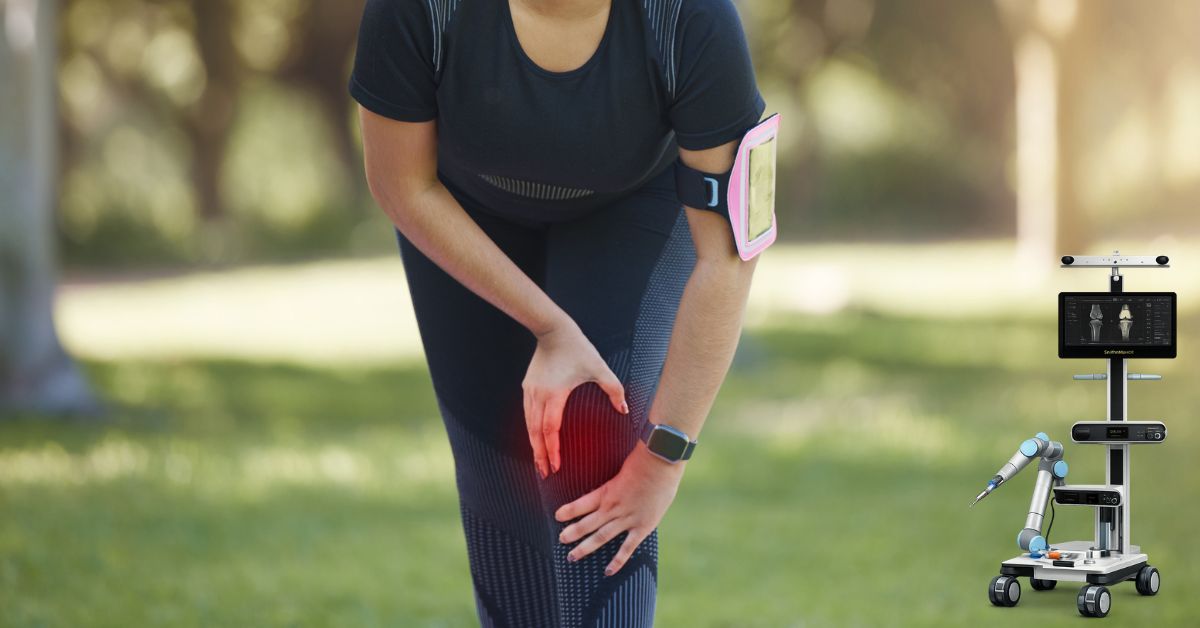
Joint pain — especially in the hips or knees — can significantly affect quality of life. For many, everyday activities like walking, climbing stairs, or even standing become a struggle. Traditionally, joint replacement surgery was seen as a last resort, often associated with long hospital stays, significant pain, and extended rehabilitation. However, thanks to remarkable technological advances in orthopaedics, this narrative is changing dramatically. Today, patients benefit from more precise, less invasive, and far less painful joint replacement procedures than ever before.
In Lucknow and beyond, leading specialists are redefining what joint surgery looks like in 2026. One such expert is Dr. Sandeep Kapoor—recognised Joint Replacement surgeons in Lucknow– who combines centuries of surgical experience with cutting‑edge innovation to ensure superior outcomes for patients.
The Pain Points Patients Experience
Before diving into solutions, let’s acknowledge the challenges many patients face:
- Severe Pain and Limited Mobility: Advanced arthritis and joint degeneration can make controlled movement difficult or painful.
- Fear of Traditional Surgery: Open surgery often involves larger incisions, more trauma to muscles and tissue, longer hopsital stays, and a tougher recovery process.
- Risk of Complications: Infections, improper implant alignment, and prolonged rehabilitation are real concerns that can deter patients.
- Slow Recovery Time: In older procedures, recovery could take months before patients regained confidence and mobility.
These are real issues — ones that have kept many away from a procedure that could dramatically improve their day‑to‑day life. But technology is changing the game.
How Technology Is Transforming Joint Replacement
1. Robotic‑Assisted Precision
One of the most powerful technological breakthroughs in orthopaedics is robotic‑assisted surgery. Unlike human hands alone, surgical robots can execute complex motions with sub‑millimeter precision. This means the implant fits better, aligns optimally, and reflects the unique anatomy of each patient’s joint. Real‑time data and imaging help surgeons plan and execute with confidence.
This precision directly translates to less soft‑tissue damage, reduced pain, and a faster healing process.
2. Smaller Incisions, Less Pain
Technological advancements allow for minimally invasive approaches where incisions are significantly smaller. Smaller incisions mean:
- Reduced blood loss
- Less trauma to muscles and nerves
- Lower risk of infection
- Shorter hospital stay
Patients often begin gentle movement within 24 hours, a stark contrast to traditional methods where limited activity was the norm for days.
3. Personalized Surgical Planning
Modern imaging — including 3D joint modeling — enables surgeons to tailor each procedure specifically to a patient’s anatomy. This level of planning was not possible a decade ago. By customizing the surgical approach, the prosthetic fits better and feels more natural post‑surgery.
4. Innovative Implant Materials
Today’s implants are designed to mimic real joint mechanics. Made from advanced metals, ceramics, and medical‑grade plastics, these implants reduce friction, provide smooth motion, and extend the life of the artificial joint. Better materials also mean less inflammation and discomfort for patients.
5. Improved Pain Management
Technology has also improved post‑operative care. From targeted nerve blocks and advanced anesthesia to continuous monitoring and smart pain protocols, patients experience less discomfort during recovery. Quick initiation of physiotherapy ensures strength returns sooner.
Real Impact: Patient Experience and Outcomes
Many patients have reported dramatic improvements in mobility — often within weeks rather than months. Because of things like robotic assistance reducing muscle trauma and personalized planning reducing recovery hurdles, patients often:
- Walk with less pain sooner
- Spend fewer days in the hospital
- Begin rehabilitation earlier
- Return to everyday life activities with confidence
For those who suffer from debilitating joint pain and have put off surgery out of fear, these technological advancements represent hope, comfort, and a pathway back to movement.
Final Thought
Technology hasn’t just improved joint replacement — it has transformed it. For patients struggling with chronic pain and limited mobility, advanced surgical tools, precision planning, and innovative materials are changing outcomes for the better. And with specialists like Dr. Sandeep Kapoor, highly experienced joint replacement surgeons in Lucknow at the helm, patients receive world‑class care that minimizes discomfort, accelerates healing, and restores a life filled with movement and freedom.
Frequently Asked Questions (FAQs)
1. How does robotic joint replacement reduce pain compared to traditionhal surgery?
Robotic systems assist with precise bone cuts and implant placement, reducing trauma to surrounding tissues and leading to less pain and faster healing.
2. What is the typical recovery time after a modern joint replacement?
Many patients begin gentle movement within 24 hours after surgery and can resume most daily activities within weeks, thanks to minimally invasive techniques.
3. Are advanced joint replacement technologies suitable for everyone?
Not every patient is a candidate for every technology. The decision should be made after a thorough clinical evaluation by an experienced surgeon.
4. Does technology make the surgery costlier?
Advanced procedures like robotic‑assisted joint replacement may cost slightly more upfront, but they often reduce long‑term complications and rehabilitation costs, making them cost‑effective overall.
5. Can joint replacement improve quality of life?
Yes — by relieving pain, restoring mobility, and enhancing daily functioning, modern joint replacements dramatically improve the patient’s quality of life and independence.