
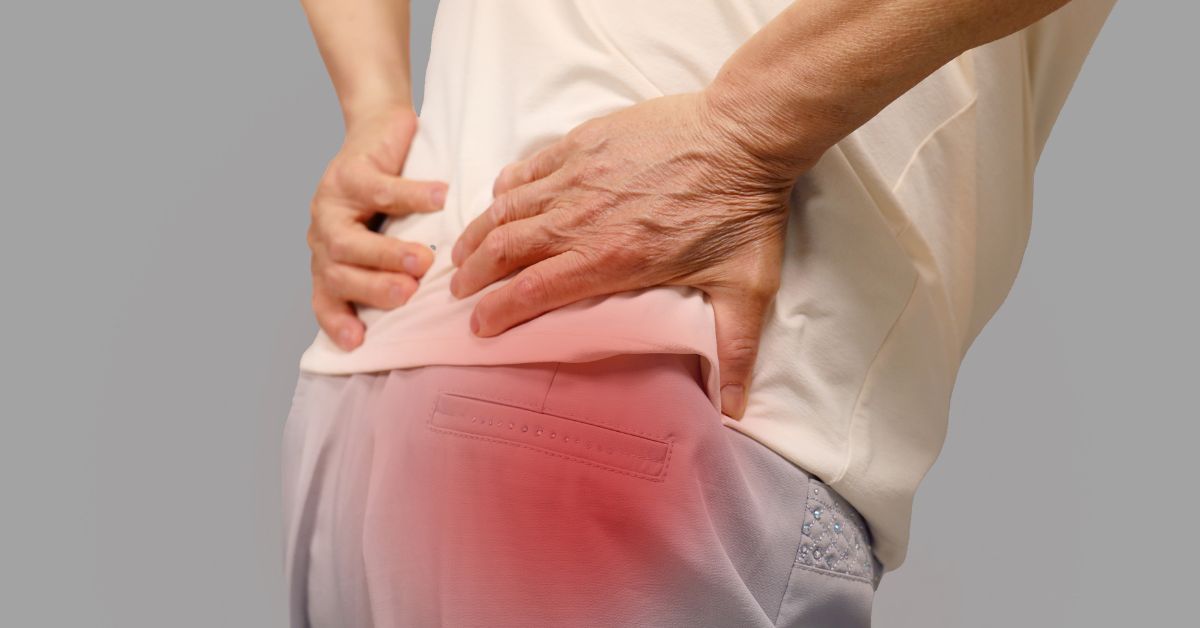
The hip is one of the body’s most essential joints — a strong, ball‑and‑socket mechanism that supports standing, walking, running, sitting, and virtually all movements. But when this joint starts to deteriorate, everyday activities can become painful and limiting. Hip joint damage is not just a physical condition — it takes a toll on quality of life, independence, and emotional well‑being. In this blog, we explore the symptoms, causes, and treatment options for hip joint damage, along with practical insights to help patients recognize when professional care is needed.
Spotting the Red Flags: Symptoms of Hip Joint Damage
Hip joint damage often begins slowly, but as it progresses, discomfort grows noticeable and persistent. Common symptoms include:
- Pain in or around the hip: Pain may be felt in the groin, outer thigh, or buttocks. It may start only during movement but can become constant with worsening joint wear.
- Stiffness and limited motion: Difficulty bending, rotating, or lifting the leg often signals cartilage loss within the joint.
- Reduced walking ability: Limping, trouble climbing stairs, or difficulty standing from a seated position highlight functional decline.
- Creaking, clicking, or catching sensations: These sensations occur when the smooth glide of joint surface structures is disrupted.
- Pain at rest or night discomfort: Pain that persists even without activity suggests advanced joint involvement.
Recognizing these signs early can lead to timely management and potentially slow progression before severe damage sets in.
Why the Hip Fails: Causes of Joint Damage
Hip joint damage may be rooted in several different causes — some age‑related, others caused by injury or systemic disease:
- Arthritis and Wear‑and‑Tear
Osteoarthritis is the most common cause of hip joint damage, where cartilage cushioning the joint wears away over time. This increases friction between bone surfaces, leading to pain and stiffness. Rheumatoid arthritis and other inflammatory conditions can also affect the hip.
- Injuries and Trauma
Falls, fractures, and direct blows to the hip can damage joint structures such as bone, cartilage, and the labrum — a ring of cartilage around the hip socket.
- Structural Abnormalities
Congenital or developmental issues like femoroacetabular impingement (FAI) or hip dysplasia change joint mechanics, leading to early wear.
- Avascular Necrosis (AVN)
This occurs when blood supply to the hip bone is disrupted, causing bone tissue death and rapid joint breakdown. Prolonged steroid use and conditions like excessive alcohol intake can increase the risk.
- Overuse and Lifestyle Factors
Repetitive stress from sports, work, or even prolonged sitting can irritate the joint over time. Muscle imbalances and obesity further accelerate wear.
Effective Treatment Options
Managing hip joint damage depends on the degree of injury and impact on daily life. Treatments range from conservative care to advanced surgical intervention.
1. Early‑Stage and Conservative Care
For mild to moderate symptoms:
- Medications and Anti‑inflammatories: Pain relievers and anti‑inflammatory drugs help reduce swelling and discomfort.
- Physical Therapy: Targeted exercises strengthen supporting muscles and improve joint mobility.
- Lifestyle Changes: Weight management, activity modification, and low‑impact exercises (like swimming) can reduce joint stress.
These measures aim to relieve symptoms and preserve joint function while slowing degeneration.
2. Injectable Therapies
Hyaluronic acid or corticosteroid injections into the joint can temporarily reduce pain and inflammation. These options are typically considered when medication and therapy alone are insufficient.
3. Surgical Options
When pain persists despite conservative care, or when structural damage is severe, surgery becomes a reliable option:
- Hip Arthroscopy: Ideal for certain injuries like labral tears or structural abnormalities in younger patients.
- Hip Replacement Surgery: In advanced cases of arthritis or irreversible damage, total hip replacement replaces the worn joint with artificial components. This intervention has high success in reducing pain and restoring mobility.
Patients seeking expert surgical care may consider consulting Dr. Sandeep Kapoor Renowned Hip replacement surgeon in Lucknow, with extensive experience in both traditional and advanced robotic joint replacement techniques.
Frequently Asked Questions (FAQs)
1. What distinguishes hip joint pain from normal muscle soreness?
Hip joint pain is often persistent, worsens with movement, and is localized deep in the groin or side of the hip. Muscle soreness typically resolves with rest and does not limit daily activity.
2. Can hip damage be reversed without surgery?
Early damage may be managed and slowed with medication, physical therapy, and lifestyle adjustments. However, once cartilage is significantly worn, surgical options provide the most definitive relief.
3. How long does recovery take after hip replacement surgery?
Most patients begin gentle movement within a day after surgery and progressively improve with physiotherapy. Full recovery and return to most activities usually take a few months.
4. Are there risks associated with hip replacement?
Like any surgery, hip replacement carries some risks such as infection or implant loosening. Experienced surgeons minimize these through advanced planning and care.
5. How do I know when to see a specialist?
Seek orthopedic evaluation if pain persists for several weeks, limits walking or daily tasks, or if conservative measures fail to improve symptoms.
TO Sum Up
Hip joint damage deserves attention long before it limits your life. With awareness, early intervention, and expert guidance, you can navigate this condition with confidence and restore comfort to your movement.
If you need professional evaluation or are considering advanced care, consulting Dr. Sandeep Kapoor Experienced Hip replacement surgeon in Lucknow, can help you take the right step toward recovery and mobility.