
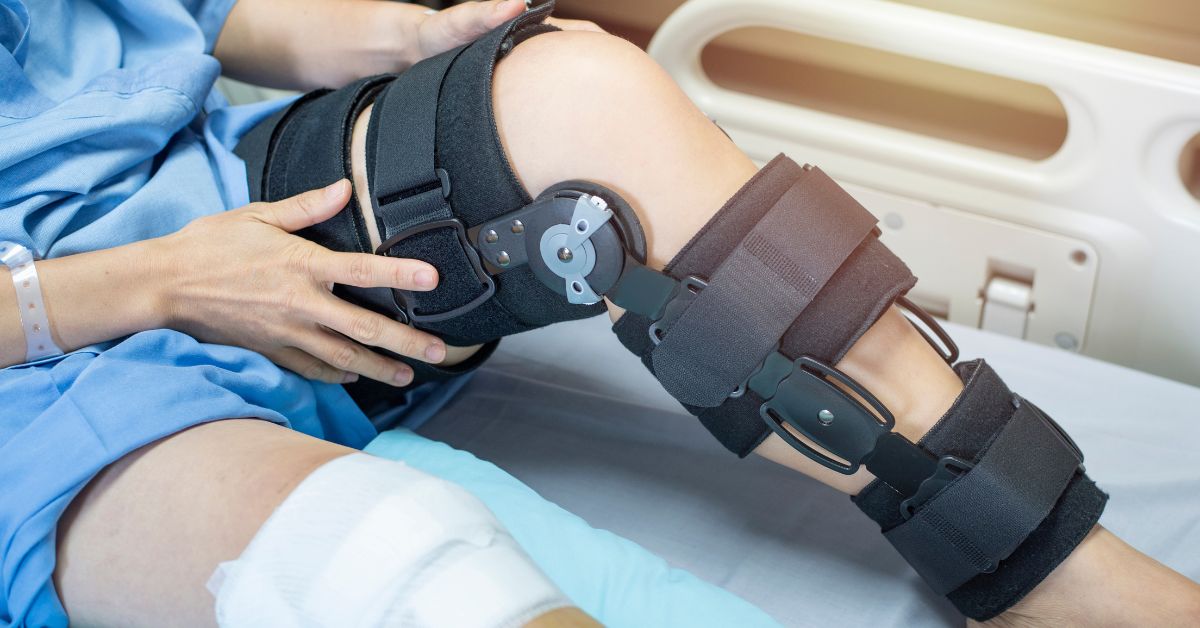
Undergoing a robotic knee replacement can bring relief from constant pain, improve walking ability, and restore confidence in daily activities. However, the success of the procedure does not depend only on advanced technology and surgical expertise. The recovery period after surgery plays a crucial role in achieving the best results.
Many patients unknowingly make mistakes after their operation that can slow healing, increase discomfort, or affect the final outcome. Understanding these common errors helps individuals protect their new knee and return to an active lifestyle with better strength and flexibility.
Choosing an experienced specialist is equally important. Dr. Sandeep Kapoor is known for advanced joint replacement procedures, including robotic-assisted knee and hip surgeries. With extensive experience in orthopedics, he focuses on precision-based treatment, patient care, and improved recovery outcomes.
Follow These Essential Steps for a Safer Recovery and Long-Lasting Mobility
Ignoring Physiotherapy After Surgery
One of the biggest mistakes patients make is avoiding or delaying physiotherapy. After a robotic knee replacement, controlled exercises help regain movement, strengthen muscles, and improve joint flexibility.
Although the pain may reduce after surgery, the muscles around the knee need proper training to support the artificial joint. Following the rehabilitation plan suggested by your doctor can help achieve smoother recovery.
Returning to Normal Activities Too Quickly
Feeling better after surgery can create a false sense of complete recovery. Some patients start climbing stairs excessively, lifting heavy objects, or performing demanding activities before their knee is ready.
The new joint requires time to adapt. Gradual progress under medical guidance reduces unnecessary stress and protects long-term results.
Neglecting Weight Management
Extra body weight puts additional pressure on the knee joint. Maintaining a healthy weight after surgery supports implant performance and reduces strain during movement.
A balanced diet, regular approved exercises, and healthy lifestyle habits contribute significantly to maintaining mobility after the procedure.
Missing Follow-Up Appointments
Regular check-ups allow your surgeon to monitor healing, identify concerns early, and make necessary adjustments in your recovery plan.
Patients should never assume that feeling comfortable means follow-up visits are unnecessary. Professional evaluation ensures the artificial joint continues functioning effectively.
Avoiding Assistive Support During Early Recovery
Walking without support too soon can increase the risk of imbalance or falls. Using walkers or other recommended aids during the initial healing phase provides stability and confidence.
Your recovery timeline depends on several factors, including age, muscle strength, overall health, and surgical progress.
Why Selecting the Right Surgeon Matters
Advanced technology can improve surgical accuracy, but the expertise of the surgeon remains a key factor in achieving successful results. A skilled specialist evaluates your condition, recommends the appropriate approach, and guides you throughout recovery.
For individuals searching for a experienced robotic knee replacement surgeon in Lucknow, selecting a trusted expert with experience in modern joint procedures can make a significant difference. Dr. Sandeep Kapoor provides advanced robotic joint replacement solutions designed to improve implant alignment, reduce discomfort, and support faster rehabilitation.
Recognised among patients looking for knee replacement surgeons in Lucknow, Dr. Sandeep Kapoor combines medical expertise with personalised care. His approach focuses on helping patients regain independence and improve their quality of life after joint replacement.
Conclusion
A successful knee replacement journey requires the right combination of advanced treatment, expert guidance, and disciplined recovery habits. Avoiding common mistakes after surgery allows patients to enjoy better mobility, reduced pain, and improved confidence in everyday life.
Frequently Asked Questions
1. How long does recovery take after robotic knee replacement?
Recovery varies from person to person. Many patients gradually return to normal activities within weeks, but complete strengthening and rehabilitation may take several months.
2. Is physiotherapy necessary after robotic knee replacement?
Yes. Physiotherapy plays an important role in improving flexibility, muscle strength, walking ability, and overall knee function after surgery.
3. Can I climb stairs immediately after knee replacement?
Patients should avoid unnecessary strain during the early recovery stage. Stair climbing should be performed only according to the rehabilitation guidance provided by the surgeon.
4. What makes robotic knee replacement different from traditional surgery?
Robotic-assisted procedures help surgeons plan and perform surgery with enhanced precision, supporting accurate implant placement and personalised treatment.
5. How can I choose the right knee replacement specialist?
Look for a surgeon with strong experience, advanced surgical knowledge, patient-focused care, and expertise in modern replacement techniques.