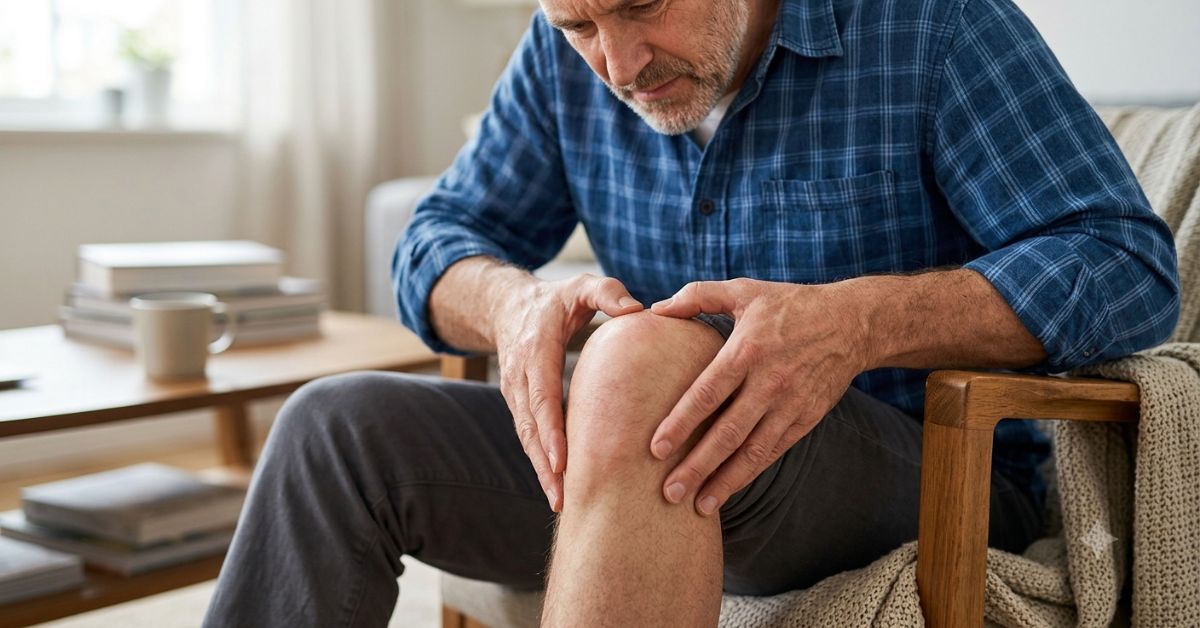
The rainy season brings refreshing weather, but for many people, it also arrives with increased joint discomfort. Changes in humidity, reduced physical activity, and existing bone or muscle conditions can make knees, hips, and other joints feel stiff, painful, or swollen. Whether you are a senior citizen experiencing arthritis symptoms, a working professional sitting for long hours, or a young individual recovering from an injury, monsoon joint pain can affect daily comfort and movement.
Ignoring recurring discomfort may gradually reduce flexibility and impact simple activities such as walking, climbing stairs, exercising, or performing household tasks. The right preventive habits, timely care, and expert guidance can help maintain stronger joints throughout the rainy season.
Why Does Joint Pain Increase During Monsoon?
During monsoon, increased moisture levels and atmospheric pressure changes may influence tissues surrounding the joints. People with arthritis, previous injuries, or age-related wear and tear often notice greater stiffness and sensitivity during this period.
Limited outdoor movement is another major reason. Many individuals reduce their walking and exercise routines because of rain, which can weaken muscles supporting the joints. Less activity may lead to reduced flexibility and increased discomfort.
Maintaining a healthy lifestyle and recognizing early warning signs can prevent minor issues from becoming long-term problems.
Effective Prevention Tips for Monsoon Joint Pain
Stay Physically Active
Gentle exercises, stretching, yoga, and regular movement help maintain joint flexibility. Avoid complete rest unless advised by a medical professional. Strong muscles provide better support to bones and joints.
Maintain a Healthy Weight
Extra body weight places additional pressure on weight-bearing joints, especially the knees and hips. Balanced nutrition and regular activity can reduce unnecessary strain and support better mobility.
Keep Your Body Warm and Dry
Cold and damp conditions can increase stiffness. Wearing comfortable clothing, avoiding prolonged exposure to wet environments, and keeping joints warm can provide relief.
Follow Proper Posture
Incorrect sitting or standing habits can increase stress on joints. Maintaining good posture during work, travel, and daily activities protects the musculoskeletal system.
Seek Professional Advice for Persistent Pain
Occasional discomfort may improve with lifestyle changes, but continuous swelling, severe pain, difficulty walking, or reduced movement should not be ignored. Early evaluation helps identify conditions such as arthritis or joint damage before they progress.
Expert Orthopedic Care for Long-Term Joint Health
For individuals struggling with recurring joint problems, consulting an experienced specialist is an important step. Dr. Sandeep Kapoor, recognized as a orthopedic doctor in lucknow, provides advanced orthopedic care focused on accurate diagnosis, personalized treatment, and improved quality of life.
Dr. Sandeep Kapoor is a gold-medalist orthopedic and joint replacement surgeon with expertise in robotic knee replacement, hip replacement, arthritis management, and advanced joint care. His patient-focused approach combines modern technology with comprehensive treatment planning to help individuals regain confidence and mobility.
His clinic emphasizes preventive health advice, patient education, and modern orthopedic solutions for various joint-related concerns. People experiencing chronic knee pain, hip discomfort, or arthritis-related limitations can explore suitable treatment options under expert supervision.
Conclusion
Monsoon joint pain does not have to control your lifestyle. Simple preventive measures, regular movement, and timely expert consultation can protect joint health at every age. Paying attention to early symptoms and choosing the right orthopedic care can help preserve strength, flexibility, and independence for years to come.
Frequently Asked Questions (FAQs)
1. Why does joint pain become worse during monsoon?
Humidity changes, reduced movement, and existing joint conditions can contribute to increased stiffness and discomfort during rainy weather.
2. Can exercise reduce monsoon-related joint problems?
Yes. Light exercises, stretching, and strengthening activities improve flexibility, support muscles around joints, and help maintain mobility.
3. Should elderly people take extra precautions during rainy weather?
Yes. Older adults should focus on safe movement, balanced nutrition, avoiding falls, and regular medical check-ups if they have arthritis or joint issues.
4. When should someone consult an orthopedic specialist?
Medical guidance is recommended when pain continues for several weeks, swelling increases, movement becomes difficult, or daily activities are affected.
5. How can Dr. Sandeep Kapoor help with joint-related concerns?
Dr. Sandeep Kapoor offers specialized orthopedic consultation, arthritis management, and advanced joint replacement solutions designed according to individual patient needs.